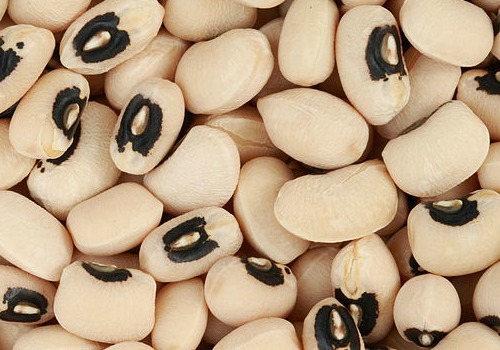
 Black-eyed peas are said to bring good luck when eaten on New Year’s Day, but they’re a hearty and healthy food year round.
Black-eyed peas have a rich, roasted flavor that is perfect for cold weather soups and stews, as well as warm weather salads. Black-eyed peas go especially well with greens and grains, such as collard greens, rice and cornbread.
Black-eyed peas are a good source of fiber, protein, potassium, beta-carotene, calcium, magnesium and iron. One cup of cooked black-eyed peas contains approximately 200 calories and 11 grams of filling fiber.
Try these black-eyed pea recipes:
Vegan Hoppin’ John
Cucumber and Black-eyed Pea Salad
Sweet Potato and Black-eyed Pea Soup
African Black-eyed Pea Salad
Black-eyed Pea Chili with Quinoa and Corn
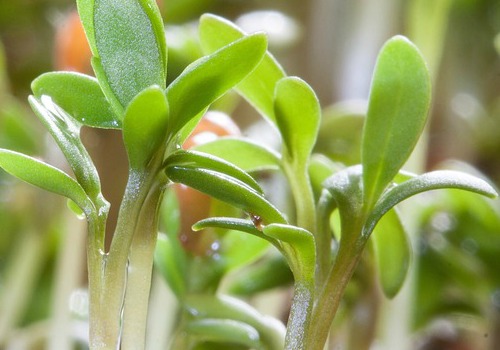 Sprouts are beans, seeds or nuts that have been allowed to germinate until a green shoot emerges. Alfalfa and mung bean sprouts are readily available, but other edible sprouts include clover, radish, broccoli and sunflower seed.
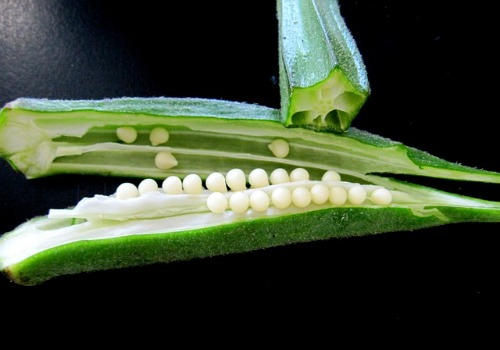 Okra is an all around interesting vegetable with an unusual appearance, texture and taste.
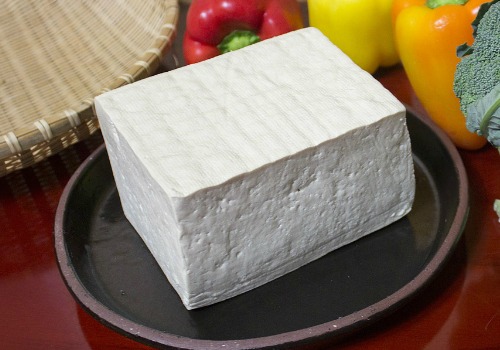 Tofu is a soy bean product that has been a staple of Asian cuisine for centuries and often used in vegan and vegetarian dishes in Western cultures. Tofu is affordable, readily available and nutritious.