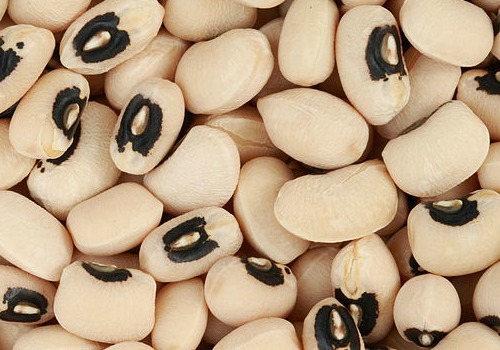
 Black-eyed peas are said to bring good luck when eaten on New Year’s Day, but they’re a hearty and healthy food year round.
Black-eyed peas have a rich, roasted flavor that is perfect for cold weather soups and stews, as well as warm weather salads. Black-eyed peas go especially well with greens and grains, such as collard greens, rice and cornbread.
Black-eyed peas are a good source of fiber, protein, potassium, beta-carotene, calcium, magnesium and iron. One cup of cooked black-eyed peas contains approximately 200 calories and 11 grams of filling fiber.
Try these black-eyed pea recipes:
Vegan Hoppin’ John
Cucumber and Black-eyed Pea Salad
Sweet Potato and Black-eyed Pea Soup
African Black-eyed Pea Salad
Black-eyed Pea Chili with Quinoa and Corn
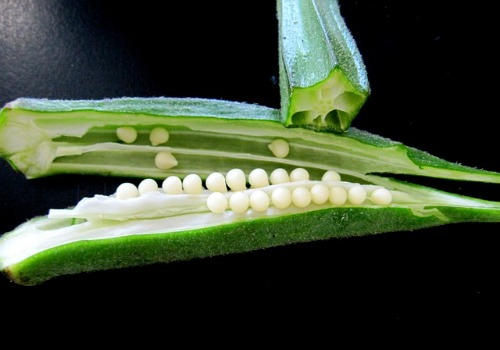 Okra is an all around interesting vegetable with an unusual appearance, texture and taste.
 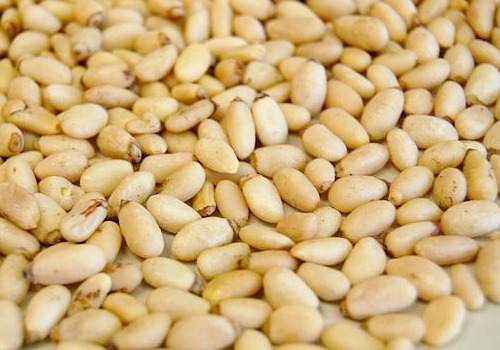 Pine nuts are delicious and nutritious, but quite expensive. Indeed, pine nuts are the edible seeds of pine trees and harvesting and processing the pine nuts is very labor-intensive. Fortunately, it only takes a small handful of pine nuts to add flavor and texture to salads, side dishes, pasta, pizza and desserts.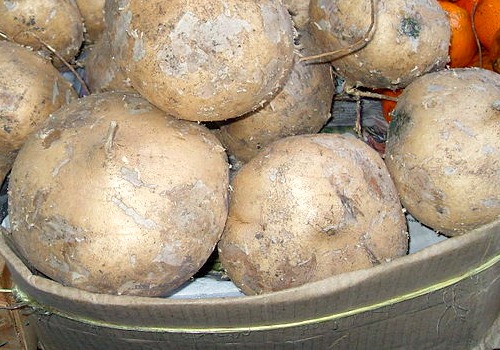
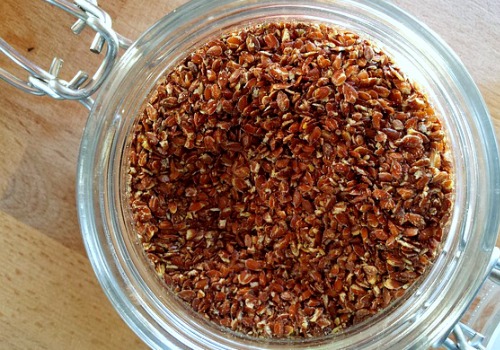 Flaxseed, also known as linseed, is a small, hard seed that is typically brown in color. When consumed whole, flaxseeds are primarily a source of indigestible fiber. In order to reap the nutritional benefits, flaxseeds must be ground so that they can be digested. A small coffee grinder can be used to grind flaxseed.