100 Best Foods

The best foods for the best you!

Beets

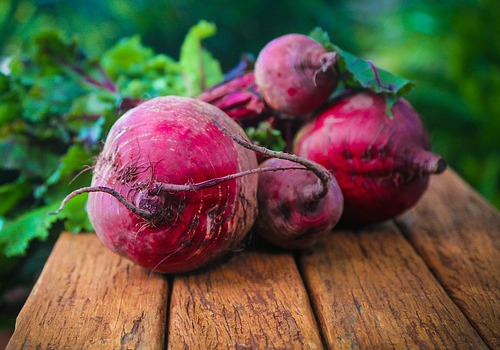
beetBeets, or more accurately beetroots, are nutritious, low calorie root vegetables that stores well and can be enjoyed raw, cooked or pickled. Beets are delicious as a side dish, soup or salad.

The most common variety available in grocery markets is deep reddish purple in color, but yellow and orange beets may also be available. Beet greens can be cleaned and prepared similar to chard. Some markets sell fresh peeled and cooked beets which eliminates the rather messy job of preparing beets.

One cup of cooked beetroot contains approximately 50 calories. Beet are a good source of calcium, magnesium, iron, phosphorus, potassium, manganese, folic acid and vitamin C.

Try these beet recipes:
Pickled Beets
Roasted Beet Tart
Beets and Herbs Salad
Dr. Shivago Borscht
Roasted Beets
Raw Beet Salad
Festive Beet Citrus Salad
Beetroot Carpaccio
Roasted Beet Crostini
Filed Under: 100 Best Foods, calcium, folic acid, iron, magnesium, manganese, phosphorus, potassium, vegetable, vitamin C

Barley

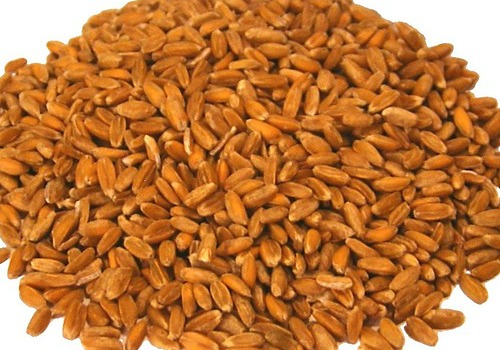
barleyBarley is an ancient grain that makes an excellent base for hearty side dishes, soups and salads.
One cup of cooked barley contains approximately 200 calories. Barley is a good source of fiber, potassium, magnesium, phosphorus, calcium, zinc, manganese, folic acid and vitamins B1, B2, B3 and B6.

Hulled barley, also known as barley grouts, is the whole grain form with only the tough outer hull removed. Pearled barley is less nutritious since the bran has also been removed. Think of this as similar to brown and white rice, with barley grouts being similar to brown rice and pearled barley being similar to white rice.

Try these barley recipes:
Mushroom Barley
Tomato and Barley Vegetable Soup
Mushroom Barley Soup
Barley Greek Salad
Moroccan Chickpea Barley Salad

Filed Under: 100 Best Foods, calcium, folic acid, grains, magnesium, manganese, phosphorus, potassium, vitamin B1, vitamin B2, vitamin B3, vitamin B6, zinc

Apricot

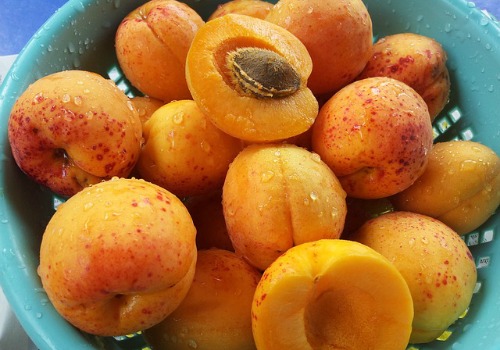
apricotsApricots are a seasonal stone fruit that arrives in grocery markets during the summer months.
Apricots are a good source of copper, calcium, magnesium, potassium, folic acid, vitamin C, beta carotene and iron. Apricots contain 17 calories per whole fruit. Dried apricots are also nutritious, but often contain added sugar and preservatives and like most dried fruits are more likely to be overeaten than the fresh fruit.

Look for apricots that are deep orange and slightly soft. Yellowish, hard apricots were likely picked too soon and will not be as flavorful or nutritious as tree-ripened fruits.

Apricots are delicious as a snack, but also make nice additions to salads and grain dishes.

Try these apricot recipes:
Apricot Yogurt Parfaits
Brown Rice Apricot Pilaf
Baked Apricots with Honey
Black Bean & Apricot Salad

Filed Under: 100 Best Foods, beta carotene, calcium, copper, folic acid, fruit, iron, magnesium, potassium, vitamin C

Apple

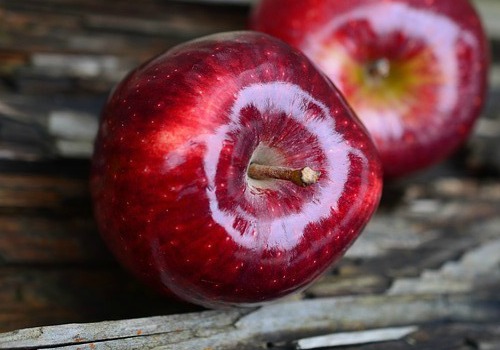
apple Most grocery markets carry several types of apples year round, including red, green and sometimes yellow varieties. Some apple varieties are preferred for cooking, while others are perfect for eating raw. If you have access to freshly-picked apples from an orchard or farmer’s market, you’ll find the taste and texture to be quite different than grocery store apples.
A medium-size apple contains approximately 100 calories. Apples are a good source of fiber, calcium, magnesium, phosphorus, beta-carotene, pectin and vitamin C.

Apples are a healthy and refreshing snack and are an easy addition to both fruit and green salads and oatmeal and other grains.

Try these Apple recipes:
Classic Applesauce
Baked Apples & Cinnamon
Apple Delight Smoothie
Quinoa & Apple Salad with Curry Dressing
Apple Walnut Salad
Apple Cinnamon Pancakes

Filed Under: 100 Best Foods, beta carotene, calcium, fruit, magnesium, phosphorus, vitamin C

Cabbage

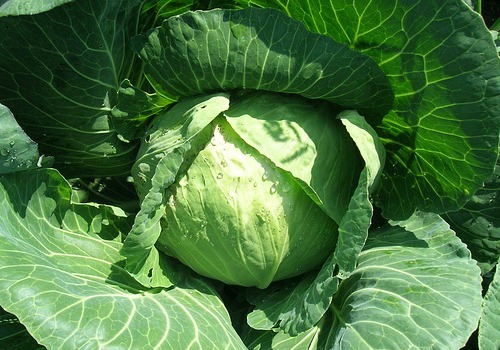
cabbageNot only is cabbage a nutrition powerhouse, it’s also inexpensive, stores well and is delicious raw, cooked and pickled.

Cabbage comes in a variety of colors (white, green and purple) and texture ranges from smooth to curly. Cabbage makes an excellent addition to soups and is perfect for summer salads since its sturdy texture holds up to heat and dressings much better than lettuce.

Cabbage is a good source of calcium, magnesium, potassium, phosphorous, beta-carotene, folic acid, iodine and vitamins C, E and K. One cup of shredded raw cabbage contains approximately 20 calories.

Try these cabbage recipes:
Citrusy Cabbage Slaw
Ginger & Dill Coleslaw
Spicy Stir-Fried Cabbage
Roasted Cabbage Wedges
Vegetarian Cabbage Rolls
Crunchy Asian Ramen Salad

Filed Under: 100 Best Foods, beta carotene, calcium, folic acid, iodine, magnesium, phosphorus, potassium, vegetable, vitamin C, vitamin E, vitamin K

  • « Previous Page
  • 1
  • 2
  • 3
  • 4
  • Next Page »

Copyright 2015 - 2017 100 Best Foods - All Rights Reserved - Jamie Jarvis