100 Best Foods

The best foods for the best you!

Broccoli

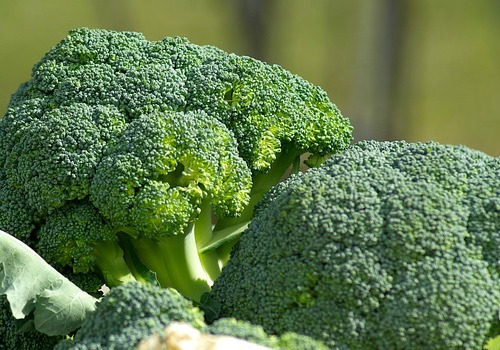
broccoliBroccoli is a versatile, readily available and long lasting enough to still be in good shape towards the end of your grocery week.

Broccoli is low calorie and packed with nutrition, but unfortunately broccoli is often smothered in cheese and cream, resulting in a high fat, high calorie dish. Better ways to enjoy broccoli, include raw in salads, steamed with herbs and lemon, or stir fried in broth or a small amount of oil. Broccoli can even be grilled or used to top pizzas.

Broccoli is a good source of calcium, chromium, magnesium, phosphorus, beta-carotene, folic acid and vitamins B3, B5 and C. One cup of chopped raw broccoli contains approximately 35 calories.

Try this broccoli recipes:
Broccoli Slaw with Cranberry Orange Dressing
Roasted Broccoli and Walnuts
Curried Broccoli Couscous
Lemony Braised Broccoli
Tofu and Broccoli Stir Fry

Filed Under: 100 Best Foods, beta carotene, calcium, chromium, folic acid, magnesium, phosphorus, vitamin B3, vitamin B5, vitamin C

Oranges & Tangerines

orange
Oranges and tangerines are winter season fruits that are available nearly year round in many grocery stores due to cold storage and imports. Oranges and tangerines are colorful, flavorful and nutritious. Navel and clementine oranges are popular for eating, while valencia oranges make excellent juice.

Although orange juice is popular, eating the whole fruit provides valuable fiber. Oranges and tangerines are a good source of calcium, potassium, beta-carotene, folic acid and vitamin C. One large orange contains approximately 100 calories.

Try these orange recipes:
Spinach and Orange Salad
Orange Soy Dressing
Festive Beet and Citrus Salad
Mexican Fruit Cocktail
Quinoa Salad with Oranges, Beets & Pomegranate
Colorful Orange Salad

Filed Under: 100 Best Foods, beta carotene, calcium, folic acid, fruit, potassium, vitamin C

Almonds

almonds

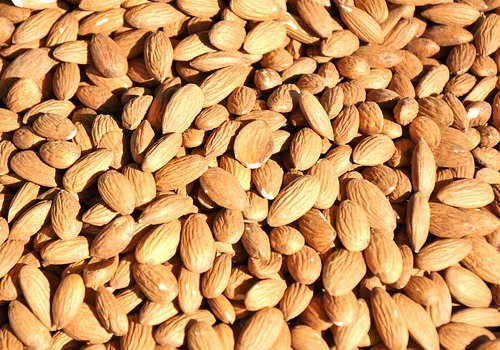
Like most nuts almonds are packed with nutrients, but also relatively high in fat and calories.

For those who are trying to maintain or lose weight, it’s best to consume almonds in moderation as a portion-controlled snack or as a garnish for salads, grains or cooked vegetables. For those who are trying to gain weight or need extra protein, almonds and other nuts are an excellent option.

Almonds are a good source of protein, calcium, magnesium, phosphorus, potassium, zinc, iron, folic acid and vitamins B2, B3 and E. One ounce of almonds (approximately 23 nuts) contains 163 calories.

Once only found in health food stores, both almond butter and almond milk are now readily available and make healthy and interesting substitutes for peanut butter and dairy milk.

Try these almond recipes:
Asian Noodle Bowl with Spicy Almond Sauce
Wild Rice Risotto with Almonds and Spring Vegetables
Almond Citrus Salad
Quick Cinnamon Almond Rice Pudding
Almond Honey Power Bars
Banana Almond Smoothie

Filed Under: 100 Best Foods, calcium, folic acid, iron, magnesium, nuts & seeds, phosphorus, potassium, vitamin B2, vitamin B3, vitamin E, zinc

  • « Previous Page
  • 1
  • 2
  • 3
  • 4

Copyright 2015 - 2017 100 Best Foods - All Rights Reserved - Jamie Jarvis