100 Best Foods

The best foods for the best you!

Tofu

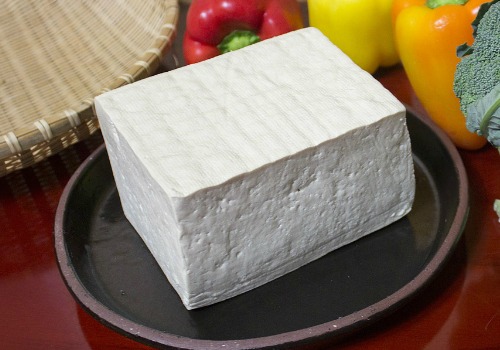
tofuTofu is a soy bean product that has been a staple of Asian cuisine for centuries and often used in vegan and vegetarian dishes in Western cultures. Tofu is affordable, readily available and nutritious.

Tofu comes in a variety of textures ranging from soft to extra firm. Soft textures are best for smoothies and creamy soups. Firmer textures are good for stir-frys, scrambles, cutlets and kabobs. Tofu has little flavor on it’s own, but picks up the flavors of marinades and sauces.

Tofu is a good source of protein, calcium, iron, manganese, copper, selenium, phosphorus, magnesium, zinc, vitamin B1 and omega-3 fatty acids. A 1/2 cup serving of tofu contains approximately 100 calories.

Try these tofu recipes:
Berry Tofu SmoothieCitrus Ginger Tofu Salad
Crispy Peanut Tofu
Tofu Chorizo
Tofu Scramble
Stir Fried Eggplant, Green Beans & Tofu
Filed Under: 100 Best Foods, beans & legumes, calcium, copper, iron, magnesium, manganese, omega-3 fatty acids, phosphorus, selenium, vitamin B1, zinc

Pine Nuts

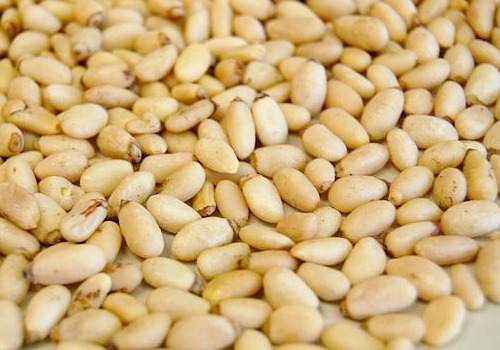
pinenutsPine nuts are delicious and nutritious, but quite expensive. Indeed, pine nuts are the edible seeds of pine trees and harvesting and processing the pine nuts is very labor-intensive. Fortunately, it only takes a small handful of pine nuts to add flavor and texture to salads, side dishes, pasta, pizza and desserts.
Pine nuts are a good source of magnesium, potassium, phosphorus, copper, zinc, iron and vitamins B1 and E. One ounce of pine nuts (about 150 nuts) contains approximately 200 calories.

Pine nuts have a high oil content and should be refrigerated to maintain freshness.

Try these pine nut recipes:
Fresh Basil Pesto
Fettuccini with Brussels Sprouts and Pine Nuts
Roasted Broccoli with Lemon and Pine Nuts
Quinoa with Garlic, Pine Nuts & Raisins
Spinach Feta & Pine Nut Pizza
Butternut, Arugula and Pine Nut Salad

Filed Under: 100 Best Foods, copper, iron, magnesium, nuts & seeds, phosphorus, potassium, vitamin B1, vitamin E, zinc

Millet

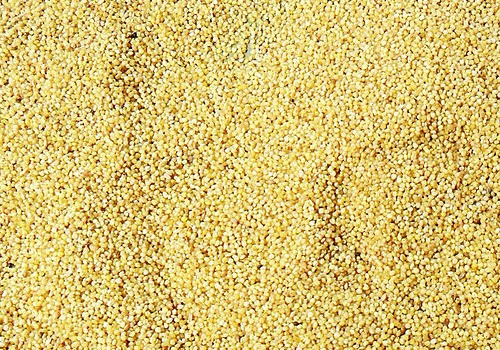
milletMillet is a gluten free, low allergenic and easily digestible grain that is a staple in Africa. Raw millet looks like birdseed, but cooks up light and fluffy and has a mild taste that combines well with herbs, beans and vegetables.
Millet is a versatile grain that works as a hot breakfast cereal, cold salad or warm side dish. Millet also makes an excellent stuffing base for squash and peppers.

Millet is a good source of fiber, copper, magnesium, manganese, potassium, phosphorous and vitamin B3. Once cup of cooked millet contains approximately 200 calories.

Try this millet recipes:
Stuffed Acorn Squash
Millet with Onion & Parsley
Millet with Sweet Corn and Avocado
Millet Stir Fry
Millet Breakfast Porridge

Filed Under: 100 Best Foods, copper, grains, magnesium, manganese, phosphorus, potassium, vitamin B3

Apricot

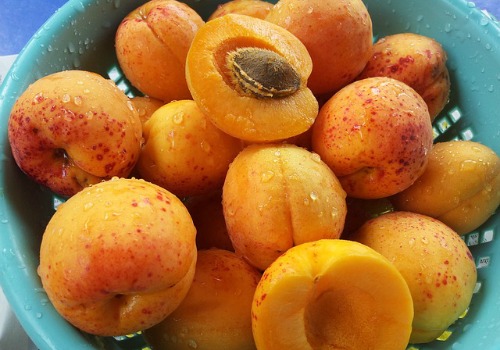
apricotsApricots are a seasonal stone fruit that arrives in grocery markets during the summer months.
Apricots are a good source of copper, calcium, magnesium, potassium, folic acid, vitamin C, beta carotene and iron. Apricots contain 17 calories per whole fruit. Dried apricots are also nutritious, but often contain added sugar and preservatives and like most dried fruits are more likely to be overeaten than the fresh fruit.

Look for apricots that are deep orange and slightly soft. Yellowish, hard apricots were likely picked too soon and will not be as flavorful or nutritious as tree-ripened fruits.

Apricots are delicious as a snack, but also make nice additions to salads and grain dishes.

Try these apricot recipes:
Apricot Yogurt Parfaits
Brown Rice Apricot Pilaf
Baked Apricots with Honey
Black Bean & Apricot Salad

Filed Under: 100 Best Foods, beta carotene, calcium, copper, folic acid, fruit, iron, magnesium, potassium, vitamin C

Avocado

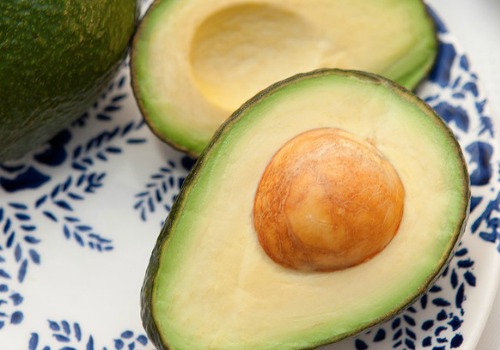
avocadoAlthough avocadoes are a seasonal, warm weather fruit, many grocery markets import avocadoes year round. In fact, January is the peak time for avocado demand in the United States due to the tradition of serving guacamole on Super Bowl Sunday.

Avocadoes are high in calories, but packed with healthy fats and nutrients. One medium sized avocado contains approximately 300 calories. Avocadoes are a good source of iron, copper, phosphorus, potassium, beta carotene, folic acid, vitamins B3, B6, K an E.

Because ripe avocadoes are fragile, the avocadoes in stores are often under-ripe. Fortunately, most avocadoes will ripen well after a few days at room temperature. Dark skin and soft, but not mushy, flesh indicates that a avocado is ripe and ready to cut, prepare and eat.

Avocado flesh browns quickly so don’t cut or mash ahead of time. When making guacamole the addition of lemon juice and storage in a container with minimal air space will reduce browning.

Avocadoes make a satisfying addition to salads and sandwiches and are an excellent way to add a creamy texture to non-dairy smoothies. If you’re concerned about the calories in your favorite guacamole, mix it half and half with non fat Greek-style yogurt.

Try these avocado recipes:
Perfect Guacamole
Orange and Avocado Salad
Avocado Lettuce and Tomato Sandwich
Southwestern Corn & Avocado Salad
Avocado Toast
Hummus Cucumber Avocado Wrap

Filed Under: 100 Best Foods, beta carotene, copper, folic acid, fruit, iron, phosphorus, potassium, vitamin B3, vitamin B6, vitamin E, vitamin K

Copyright 2015 - 2017 100 Best Foods - All Rights Reserved - Jamie Jarvis