100 Best Foods

The best foods for the best you!

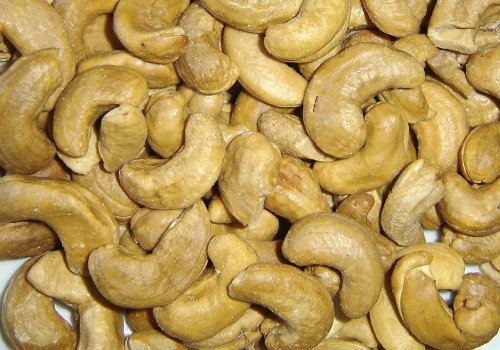
Cashews

Cashews
Like most nuts cashews are packed with nutrients, but also high in calories. Fortunately, it only takes a small amount of cashews to add satisfying crunch and flavor to a salad or stir fry.

Cashews can be blended to make a nut butter, spread or dip or added to a smoothie for a rich and creamy treat.

Cashews are a good source of calcium, magnesium, iron, zinc and folic acid. One ounce of raw cashews (about 18 nuts) contains approximately 160 calories.

Try these cashew recipes:
Raw Cashew Cheese
Apple Spinach Salad
Cashew Vegetable Curry
Stir Fried Vegetables with Toasted Cashews
Broccoli with Toasted Cashews
Banana Cashew Smoothie
Homemade Oatmeal with Cashews & Honey
Filed Under: 100 Best Foods, calcium, folic acid, iron, magnesium, nuts & seeds, zinc

Brown Rice

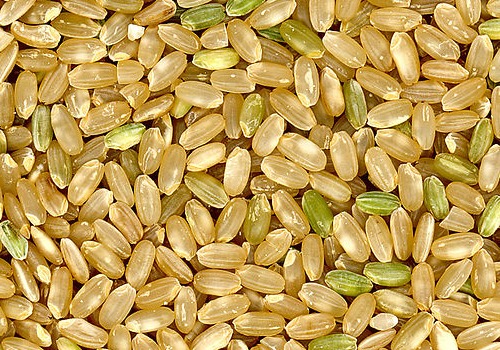
Brown RiceBrown rice is inexpensive, filling and versatile. Brown rice is processed to remove only the hull, while the bran and germ are left in place. Brown rice is not only more nutritious than white rice, but also more flavorful with a slightly earthy, nutty taste.
Brown rice has a sturdy texture compared to white rice, which is not unpleasant but does take getting used to by those who usually eat white rice. In fact there is a bias against brown rice in many rice eating cultures. Because white rice is more processed than brown rice, it costs more and is therefore viewed as a status symbol. In China brown rice is referred to as rough rice.

Long grain brown rice is most commonly available and is used for most rice dishes. Short grain brown rice becomes sticky when cooked and is ideal for sushi.

Brown rice is a good source of calcium, iron, magnesium, phosphorus, potassium, zinc, manganese, folic acid and vitamins B3, B5 and B6. One cup of cooked long grain brown rice contains just over 200 calories.

Try these brown rice recipes:
Brown Rice & Black Beans
Moroccan-style Stuffed Peppers
Brown Rice & Vegetable Pilaf
Mexican Brown Rice Salad
Brown Rice Salad with Sprouts & Seeds
Brown Rice Breakfast Bowl
Creamy Brown Rice Pudding

Filed Under: 100 Best Foods, calcium, folic acid, grains, iron, magnesium, manganese, phosphorus, potassium, vitamin B3, vitamin B5, vitamin B6, vitamin C

Beets

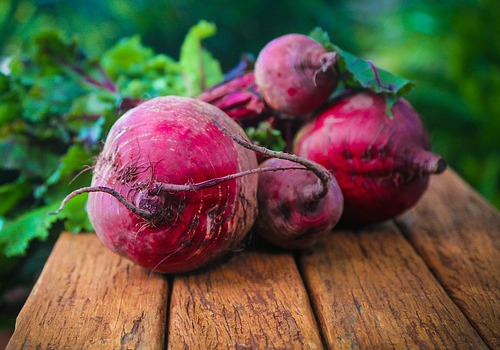
beetBeets, or more accurately beetroots, are nutritious, low calorie root vegetables that stores well and can be enjoyed raw, cooked or pickled. Beets are delicious as a side dish, soup or salad.
The most common variety available in grocery markets is deep reddish purple in color, but yellow and orange beets may also be available. Beet greens can be cleaned and prepared similar to chard. Some markets sell fresh peeled and cooked beets which eliminates the rather messy job of preparing beets.

One cup of cooked beetroot contains approximately 50 calories. Beet are a good source of calcium, magnesium, iron, phosphorus, potassium, manganese, folic acid and vitamin C.

Try these beet recipes:
Pickled Beets
Roasted Beet Tart
Beets and Herbs Salad
Dr. Shivago Borscht
Roasted Beets
Raw Beet Salad
Festive Beet Citrus Salad
Beetroot Carpaccio
Roasted Beet Crostini

Filed Under: 100 Best Foods, calcium, folic acid, iron, magnesium, manganese, phosphorus, potassium, vegetable, vitamin C

Apricot

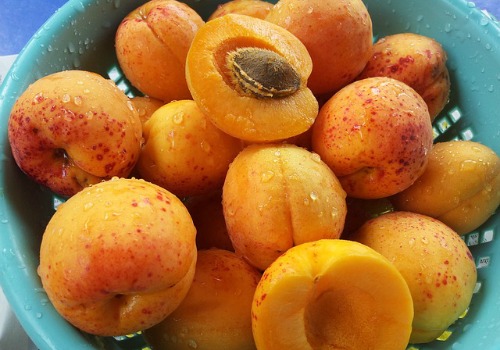
apricotsApricots are a seasonal stone fruit that arrives in grocery markets during the summer months.
Apricots are a good source of copper, calcium, magnesium, potassium, folic acid, vitamin C, beta carotene and iron. Apricots contain 17 calories per whole fruit. Dried apricots are also nutritious, but often contain added sugar and preservatives and like most dried fruits are more likely to be overeaten than the fresh fruit.

Look for apricots that are deep orange and slightly soft. Yellowish, hard apricots were likely picked too soon and will not be as flavorful or nutritious as tree-ripened fruits.

Apricots are delicious as a snack, but also make nice additions to salads and grain dishes.

Try these apricot recipes:
Apricot Yogurt Parfaits
Brown Rice Apricot Pilaf
Baked Apricots with Honey
Black Bean & Apricot Salad

Filed Under: 100 Best Foods, beta carotene, calcium, copper, folic acid, fruit, iron, magnesium, potassium, vitamin C

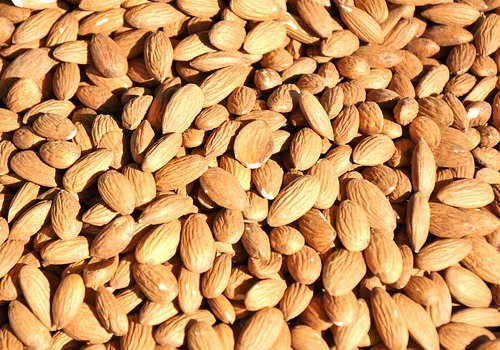
Almonds

almonds

Like most nuts almonds are packed with nutrients, but also relatively high in fat and calories.

For those who are trying to maintain or lose weight, it’s best to consume almonds in moderation as a portion-controlled snack or as a garnish for salads, grains or cooked vegetables. For those who are trying to gain weight or need extra protein, almonds and other nuts are an excellent option.

Almonds are a good source of protein, calcium, magnesium, phosphorus, potassium, zinc, iron, folic acid and vitamins B2, B3 and E. One ounce of almonds (approximately 23 nuts) contains 163 calories.

Once only found in health food stores, both almond butter and almond milk are now readily available and make healthy and interesting substitutes for peanut butter and dairy milk.

Try these almond recipes:
Asian Noodle Bowl with Spicy Almond Sauce
Wild Rice Risotto with Almonds and Spring Vegetables
Almond Citrus Salad
Quick Cinnamon Almond Rice Pudding
Almond Honey Power Bars
Banana Almond Smoothie

Filed Under: 100 Best Foods, calcium, folic acid, iron, magnesium, nuts & seeds, phosphorus, potassium, vitamin B2, vitamin B3, vitamin E, zinc

  • « Previous Page
  • 1
  • 2
  • 3
  • Next Page »

Copyright 2015 - 2017 100 Best Foods - All Rights Reserved - Jamie Jarvis