100 Best Foods

The best foods for the best you!

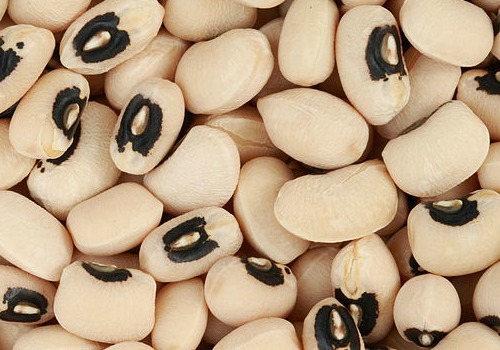
Black-Eyed Peas

Black-Eyed-PeasBlack-eyed peas are said to bring good luck when eaten on New Year’s Day, but they’re a hearty and healthy food year round.

Black-eyed peas have a rich, roasted flavor that is perfect for cold weather soups and stews, as well as warm weather salads. Black-eyed peas go especially well with greens and grains, such as collard greens, rice and cornbread.

Black-eyed peas are a good source of fiber, protein, potassium, beta-carotene, calcium, magnesium and iron. One cup of cooked black-eyed peas contains approximately 200 calories and 11 grams of filling fiber.

Try these black-eyed pea recipes:
Vegan Hoppin’ John
Cucumber and Black-eyed Pea Salad
Sweet Potato and Black-eyed Pea Soup
African Black-eyed Pea Salad
Black-eyed Pea Chili with Quinoa and Corn
Filed Under: 100 Best Foods, beans & legumes, beta carotene, calcium, iron, magnesium, potassium

Okra

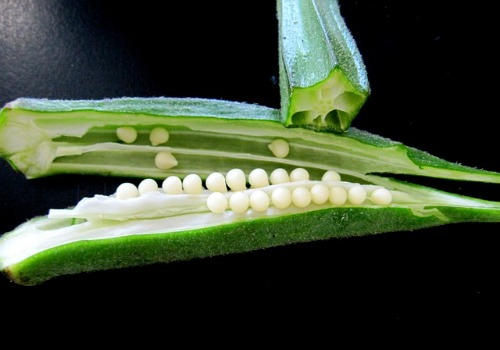
okraOkra is an all around interesting vegetable with an unusual appearance, texture and taste.
Traditionally, okra was served breaded and fried or stewed in a gumbo. However, okra can also be roasted, grilled, steamed or even eaten raw.

Okra is a warm weather vegetable that combines well with other summer vegetables, such as corn and tomatoes.

Okra is a good source of calcium, magnesium, phosphorus, folic acid, vitamin B3, potassium, and beta-carotene. One cup of raw okra contains approximately 33 calories.

Try these okra recipes:
Quick Vegetarian Gumbo
Roasted Okra
Curried Okra
Okra, Corn and Jalapeno Salsa
Roasted Potato and Okra Salad

Filed Under: 100 Best Foods, beta carotene, calcium, folic acid, magnesium, phosphorus, potassium, vegetable, vitamin B3

Brazil Nuts

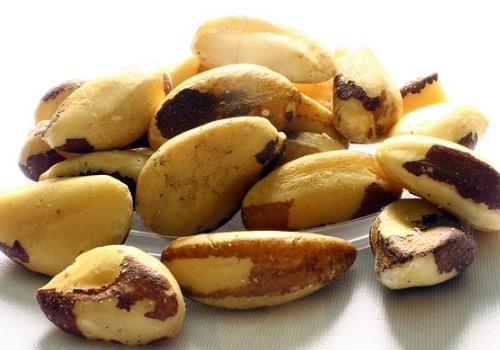
brazil-nut
Brazil nuts are technically a seed, but are commonly referred to as nuts due to their hard shell. Brazils nuts have a rich creamy flavor and often eaten on their own or in combination with other nuts. Although brazil nut oil has a pleasing flavor it is highly perishable and only suitable for non-cooking uses, such as salad dressing.

Brazil nuts are a good source of protein, calcium, magnesium, manganese, phosphorus, iron, zinc, selenium, vitamins B1 and E, and omega-6 fatty acids. One ounce of brazil nuts (about 6 nuts) contains approximately 186 calories.

Try these brazil nut recipes:
Roasted Broccoli with Brazil Nut Pesto
Brazil Nut “Cheese”
Quinoa Brazil Nut Paella
Creamy Cauliflower, Carrot & Brazil Nut Soup
Brazil Nut Pesto
Coconut & Brazil Nut Truffles

Filed Under: 100 Best Foods, calcium, iron, magnesium, manganese, nuts & seeds, omega-6 fatty acids, phosphorus, selenium, vitamin B1, vitamin E, zinc

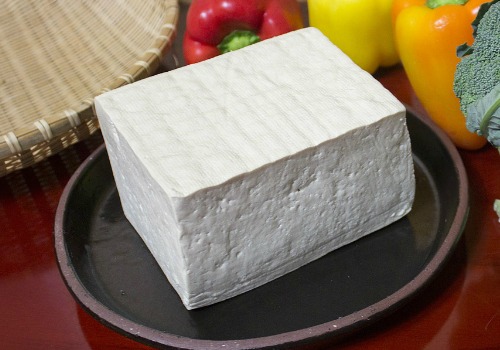
Tofu

tofuTofu is a soy bean product that has been a staple of Asian cuisine for centuries and often used in vegan and vegetarian dishes in Western cultures. Tofu is affordable, readily available and nutritious.
Tofu comes in a variety of textures ranging from soft to extra firm. Soft textures are best for smoothies and creamy soups. Firmer textures are good for stir-frys, scrambles, cutlets and kabobs. Tofu has little flavor on it’s own, but picks up the flavors of marinades and sauces.

Tofu is a good source of protein, calcium, iron, manganese, copper, selenium, phosphorus, magnesium, zinc, vitamin B1 and omega-3 fatty acids. A 1/2 cup serving of tofu contains approximately 100 calories.

Try these tofu recipes:
Berry Tofu SmoothieCitrus Ginger Tofu Salad
Crispy Peanut Tofu
Tofu Chorizo
Tofu Scramble
Stir Fried Eggplant, Green Beans & Tofu

Filed Under: 100 Best Foods, beans & legumes, calcium, copper, iron, magnesium, manganese, omega-3 fatty acids, phosphorus, selenium, vitamin B1, zinc

Pine Nuts

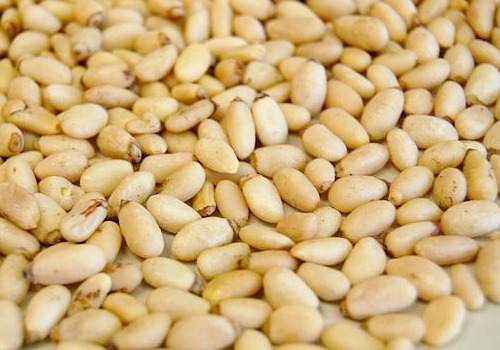
pinenutsPine nuts are delicious and nutritious, but quite expensive. Indeed, pine nuts are the edible seeds of pine trees and harvesting and processing the pine nuts is very labor-intensive. Fortunately, it only takes a small handful of pine nuts to add flavor and texture to salads, side dishes, pasta, pizza and desserts.

Pine nuts are a good source of magnesium, potassium, phosphorus, copper, zinc, iron and vitamins B1 and E. One ounce of pine nuts (about 150 nuts) contains approximately 200 calories.

Pine nuts have a high oil content and should be refrigerated to maintain freshness.

Try these pine nut recipes:
Fresh Basil Pesto
Fettuccini with Brussels Sprouts and Pine Nuts
Roasted Broccoli with Lemon and Pine Nuts
Quinoa with Garlic, Pine Nuts & Raisins
Spinach Feta & Pine Nut Pizza
Butternut, Arugula and Pine Nut Salad

Filed Under: 100 Best Foods, copper, iron, magnesium, nuts & seeds, phosphorus, potassium, vitamin B1, vitamin E, zinc

  • 1
  • 2
  • 3
  • 4
  • Next Page »

Copyright 2015 - 2017 100 Best Foods - All Rights Reserved - Jamie Jarvis