100 Best Foods

The best foods for the best you!

Flaxseed

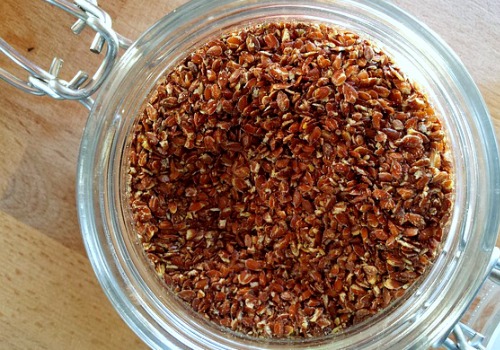
flaxseedFlaxseed, also known as linseed, is a small, hard seed that is typically brown in color. When consumed whole, flaxseeds are primarily a source of indigestible fiber. In order to reap the nutritional benefits, flaxseeds must be ground so that they can be digested. A small coffee grinder can be used to grind flaxseed.

Ground flaxseeds are an excellent additional to baked goods and also become a nutritious topping for yogurt, oatmeal, cereal, waffles, salads and vegetables.

Flaxseed oil is nutritious, but highly perishable and suitable only for non-cooking uses such as salad dressing. Both flaxseed oil and ground flaxseeds should be refrigerated to maintain freshness.

Flaxseed is a good source of omega-3 and omega-6 fatty acids, potassium, magnesium, calcium, phosphorus, irons and vitamins B3 and E. One tablespoon of whole flaxseed contains approximately 55 calories.

Try these flaxseed recipes:
Strawberry Banana and Flax Smoothie
Flaxen Hummus
Apple Crisp
Flaxseed Muffins
Flaxseed Granola
Filed Under: 100 Best Foods, calcium, magnesium, nuts & seeds, phosphorus, potassium, vitamin B3, vitamin E

Millet

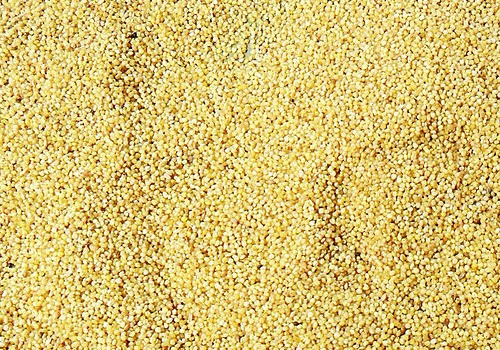
milletMillet is a gluten free, low allergenic and easily digestible grain that is a staple in Africa. Raw millet looks like birdseed, but cooks up light and fluffy and has a mild taste that combines well with herbs, beans and vegetables.
Millet is a versatile grain that works as a hot breakfast cereal, cold salad or warm side dish. Millet also makes an excellent stuffing base for squash and peppers.

Millet is a good source of fiber, copper, magnesium, manganese, potassium, phosphorous and vitamin B3. Once cup of cooked millet contains approximately 200 calories.

Try this millet recipes:
Stuffed Acorn Squash
Millet with Onion & Parsley
Millet with Sweet Corn and Avocado
Millet Stir Fry
Millet Breakfast Porridge

Filed Under: 100 Best Foods, copper, grains, magnesium, manganese, phosphorus, potassium, vitamin B3

Cashews

Cashews
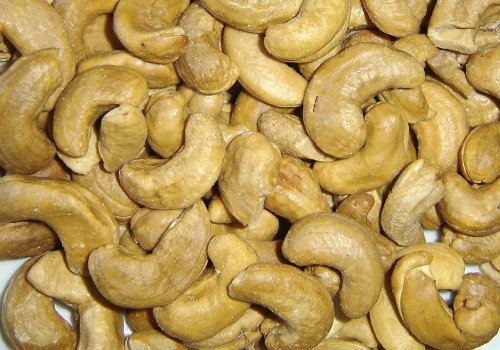
Like most nuts cashews are packed with nutrients, but also high in calories. Fortunately, it only takes a small amount of cashews to add satisfying crunch and flavor to a salad or stir fry.

Cashews can be blended to make a nut butter, spread or dip or added to a smoothie for a rich and creamy treat.

Cashews are a good source of calcium, magnesium, iron, zinc and folic acid. One ounce of raw cashews (about 18 nuts) contains approximately 160 calories.

Try these cashew recipes:
Raw Cashew Cheese
Apple Spinach Salad
Cashew Vegetable Curry
Stir Fried Vegetables with Toasted Cashews
Broccoli with Toasted Cashews
Banana Cashew Smoothie
Homemade Oatmeal with Cashews & Honey

Filed Under: 100 Best Foods, calcium, folic acid, iron, magnesium, nuts & seeds, zinc

Cantaloupe & Honey Dew Melon

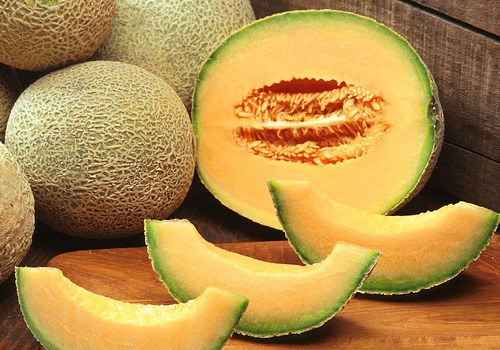
cantelopeCantaloupes and honey dew, like all melons, are a warm season fruit that is refreshing, flavorful and satisfying. Cantaloupe and honey dew go well with other summer fruits making it a welcome addition to a fruit salad.
When choosing a melon from the market, look for one that is fragrant, heavy and just a bit soft at the ends. Uncut melons do not need to refrigerated, but should be stored in a cool place until ready for use.

Cantaloupe, honey dew and other melons, such as crenshaw and ambrosia, are good sources of calcium, magnesium, potassium, phosphorus, beta-carotene and vitamin C. One cup of cubed cantaloupe contains approximately 50 calories.

Try these cantaloupe recipes:
Cantaloupe Aqua Fresca
Cantaloupe Yogurt Drink
Melon Berry Ice Pops
Blackberry Cantaloupe Salad
Melon and Feta Salad
Mango Melon Salad
Fig & Melon with Blue Cheese & Almonds

Filed Under: 100 Best Foods, beta carotene, calcium, fruit, magnesium, phosphorus, potassium, vitamin C

Brown Rice

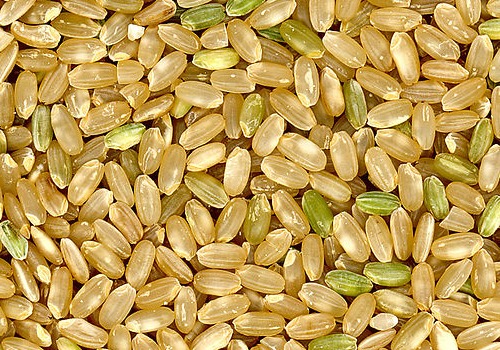
Brown RiceBrown rice is inexpensive, filling and versatile. Brown rice is processed to remove only the hull, while the bran and germ are left in place. Brown rice is not only more nutritious than white rice, but also more flavorful with a slightly earthy, nutty taste.

Brown rice has a sturdy texture compared to white rice, which is not unpleasant but does take getting used to by those who usually eat white rice. In fact there is a bias against brown rice in many rice eating cultures. Because white rice is more processed than brown rice, it costs more and is therefore viewed as a status symbol. In China brown rice is referred to as rough rice.

Long grain brown rice is most commonly available and is used for most rice dishes. Short grain brown rice becomes sticky when cooked and is ideal for sushi.

Brown rice is a good source of calcium, iron, magnesium, phosphorus, potassium, zinc, manganese, folic acid and vitamins B3, B5 and B6. One cup of cooked long grain brown rice contains just over 200 calories.

Try these brown rice recipes:
Brown Rice & Black Beans
Moroccan-style Stuffed Peppers
Brown Rice & Vegetable Pilaf
Mexican Brown Rice Salad
Brown Rice Salad with Sprouts & Seeds
Brown Rice Breakfast Bowl
Creamy Brown Rice Pudding

Filed Under: 100 Best Foods, calcium, folic acid, grains, iron, magnesium, manganese, phosphorus, potassium, vitamin B3, vitamin B5, vitamin B6, vitamin C

  • « Previous Page
  • 1
  • 2
  • 3
  • 4
  • Next Page »

Copyright 2015 - 2017 100 Best Foods - All Rights Reserved - Jamie Jarvis