100 Best Foods

The best foods for the best you!

Pistachios

pistachio
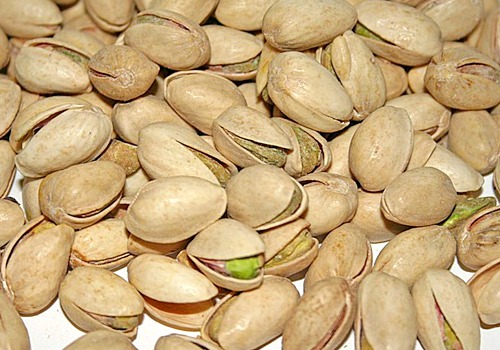
Pistachio nuts have a fun green color, rich texture and slightly sweet flavor. Pistachios nuts are traditionally used in middle eastern dishes, including desserts and pilafs. In western cultures, pistachios are often roasted, salted and consumed as a snack food.

Like most nuts, pistachios are packed with nutrition, but also high in calories. Therefore, pistachios are a healthy food in moderation.

Pistachios are a good source of fiber, protein and vitamins E and B6. One ounce of pistachios (about 40 nuts) contains approximately 100 calories.

Try these pistachio recipes:
Pistachio Pesto
Date & Pistachio Balls
Turkish Pilaf with Pistachios and Chickpeas
Yogurt Parfait with Cherries & Pistachios
Filed Under: 100 Best Foods, nuts & seeds, vitamin B6, vitamin E

Brown Rice

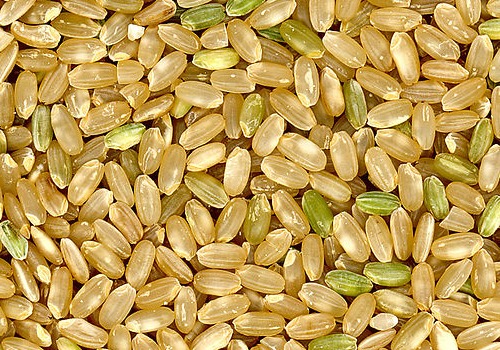
Brown RiceBrown rice is inexpensive, filling and versatile. Brown rice is processed to remove only the hull, while the bran and germ are left in place. Brown rice is not only more nutritious than white rice, but also more flavorful with a slightly earthy, nutty taste.
Brown rice has a sturdy texture compared to white rice, which is not unpleasant but does take getting used to by those who usually eat white rice. In fact there is a bias against brown rice in many rice eating cultures. Because white rice is more processed than brown rice, it costs more and is therefore viewed as a status symbol. In China brown rice is referred to as rough rice.

Long grain brown rice is most commonly available and is used for most rice dishes. Short grain brown rice becomes sticky when cooked and is ideal for sushi.

Brown rice is a good source of calcium, iron, magnesium, phosphorus, potassium, zinc, manganese, folic acid and vitamins B3, B5 and B6. One cup of cooked long grain brown rice contains just over 200 calories.

Try these brown rice recipes:
Brown Rice & Black Beans
Moroccan-style Stuffed Peppers
Brown Rice & Vegetable Pilaf
Mexican Brown Rice Salad
Brown Rice Salad with Sprouts & Seeds
Brown Rice Breakfast Bowl
Creamy Brown Rice Pudding

Filed Under: 100 Best Foods, calcium, folic acid, grains, iron, magnesium, manganese, phosphorus, potassium, vitamin B3, vitamin B5, vitamin B6, vitamin C

Barley

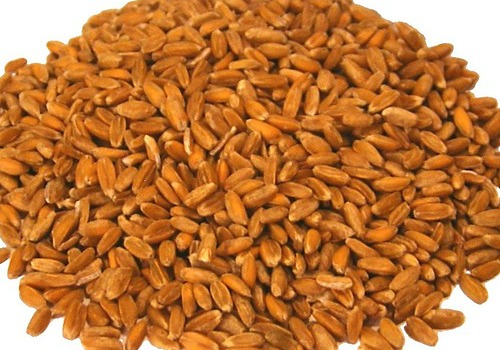
barleyBarley is an ancient grain that makes an excellent base for hearty side dishes, soups and salads.
One cup of cooked barley contains approximately 200 calories. Barley is a good source of fiber, potassium, magnesium, phosphorus, calcium, zinc, manganese, folic acid and vitamins B1, B2, B3 and B6.

Hulled barley, also known as barley grouts, is the whole grain form with only the tough outer hull removed. Pearled barley is less nutritious since the bran has also been removed. Think of this as similar to brown and white rice, with barley grouts being similar to brown rice and pearled barley being similar to white rice.

Try these barley recipes:
Mushroom Barley
Tomato and Barley Vegetable Soup
Mushroom Barley Soup
Barley Greek Salad
Moroccan Chickpea Barley Salad

Filed Under: 100 Best Foods, calcium, folic acid, grains, magnesium, manganese, phosphorus, potassium, vitamin B1, vitamin B2, vitamin B3, vitamin B6, zinc

Banana

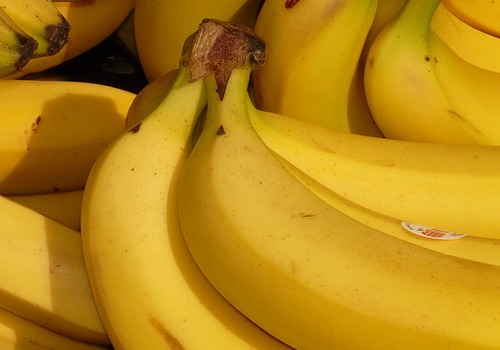
bananaBananas are inexpensive, filling and available year round. Bananas are tasty on their own and make great additions to smoothies, fruit salads, pancakes and baked goods. Bananas can even be used to make yummy frozen treats.
Bananas are low in fat, high in fiber and are an especially good source of potassium, magnesium, beta carotene and vitamins C, K and B6. One large banana contains approximately 120 calories.

Green bananas can be ripened by placing them in a brown paper bag with an apple. Refrigerating bananas will slow down ripening and the peel make darken. However, the banana will still look and taste fine. Peel overripe bananas, place in a plastic bag and freeze for use in smoothies.

Try these banana recipes:
Banana Smoothies
Vegan French Toast
Whole Grain Banana Pancakes
Banana “Ice-cream”

Filed Under: 100 Best Foods, beta carotene, fruit, magnesium, potassium, vitamin B6, vitamin C, vitamin K

Avocado

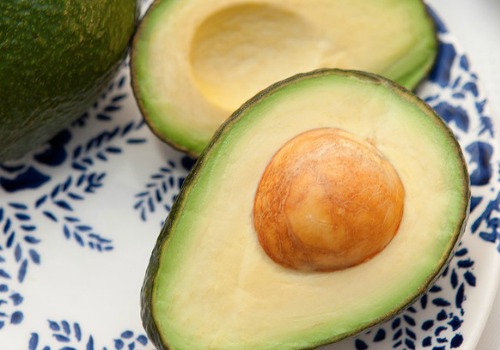
avocadoAlthough avocadoes are a seasonal, warm weather fruit, many grocery markets import avocadoes year round. In fact, January is the peak time for avocado demand in the United States due to the tradition of serving guacamole on Super Bowl Sunday.

Avocadoes are high in calories, but packed with healthy fats and nutrients. One medium sized avocado contains approximately 300 calories. Avocadoes are a good source of iron, copper, phosphorus, potassium, beta carotene, folic acid, vitamins B3, B6, K an E.

Because ripe avocadoes are fragile, the avocadoes in stores are often under-ripe. Fortunately, most avocadoes will ripen well after a few days at room temperature. Dark skin and soft, but not mushy, flesh indicates that a avocado is ripe and ready to cut, prepare and eat.

Avocado flesh browns quickly so don’t cut or mash ahead of time. When making guacamole the addition of lemon juice and storage in a container with minimal air space will reduce browning.

Avocadoes make a satisfying addition to salads and sandwiches and are an excellent way to add a creamy texture to non-dairy smoothies. If you’re concerned about the calories in your favorite guacamole, mix it half and half with non fat Greek-style yogurt.

Try these avocado recipes:
Perfect Guacamole
Orange and Avocado Salad
Avocado Lettuce and Tomato Sandwich
Southwestern Corn & Avocado Salad
Avocado Toast
Hummus Cucumber Avocado Wrap

Filed Under: 100 Best Foods, beta carotene, copper, folic acid, fruit, iron, phosphorus, potassium, vitamin B3, vitamin B6, vitamin E, vitamin K

Copyright 2015 - 2017 100 Best Foods - All Rights Reserved - Jamie Jarvis