100 Best Foods

The best foods for the best you!

Brazil Nuts

brazil-nut
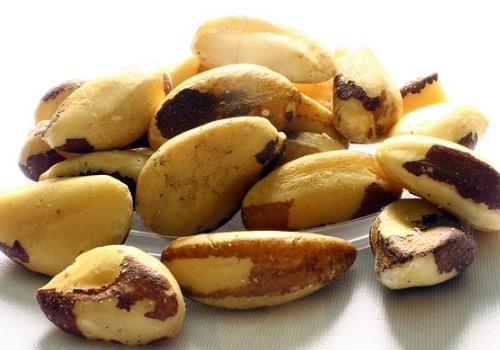
Brazil nuts are technically a seed, but are commonly referred to as nuts due to their hard shell. Brazils nuts have a rich creamy flavor and often eaten on their own or in combination with other nuts. Although brazil nut oil has a pleasing flavor it is highly perishable and only suitable for non-cooking uses, such as salad dressing.

Brazil nuts are a good source of protein, calcium, magnesium, manganese, phosphorus, iron, zinc, selenium, vitamins B1 and E, and omega-6 fatty acids. One ounce of brazil nuts (about 6 nuts) contains approximately 186 calories.

Try these brazil nut recipes:
Roasted Broccoli with Brazil Nut Pesto
Brazil Nut “Cheese”
Quinoa Brazil Nut Paella
Creamy Cauliflower, Carrot & Brazil Nut Soup
Brazil Nut Pesto
Coconut & Brazil Nut Truffles
Filed Under: 100 Best Foods, calcium, iron, magnesium, manganese, nuts & seeds, omega-6 fatty acids, phosphorus, selenium, vitamin B1, vitamin E, zinc

Pine Nuts

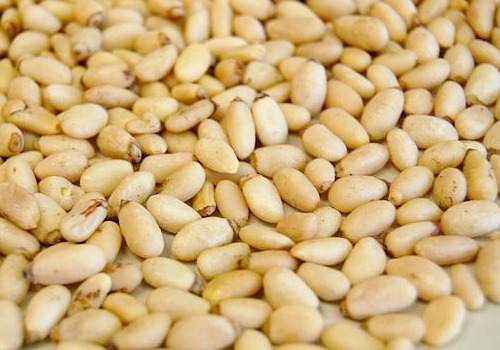
pinenutsPine nuts are delicious and nutritious, but quite expensive. Indeed, pine nuts are the edible seeds of pine trees and harvesting and processing the pine nuts is very labor-intensive. Fortunately, it only takes a small handful of pine nuts to add flavor and texture to salads, side dishes, pasta, pizza and desserts.
Pine nuts are a good source of magnesium, potassium, phosphorus, copper, zinc, iron and vitamins B1 and E. One ounce of pine nuts (about 150 nuts) contains approximately 200 calories.

Pine nuts have a high oil content and should be refrigerated to maintain freshness.

Try these pine nut recipes:
Fresh Basil Pesto
Fettuccini with Brussels Sprouts and Pine Nuts
Roasted Broccoli with Lemon and Pine Nuts
Quinoa with Garlic, Pine Nuts & Raisins
Spinach Feta & Pine Nut Pizza
Butternut, Arugula and Pine Nut Salad

Filed Under: 100 Best Foods, copper, iron, magnesium, nuts & seeds, phosphorus, potassium, vitamin B1, vitamin E, zinc

Pistachios

pistachio
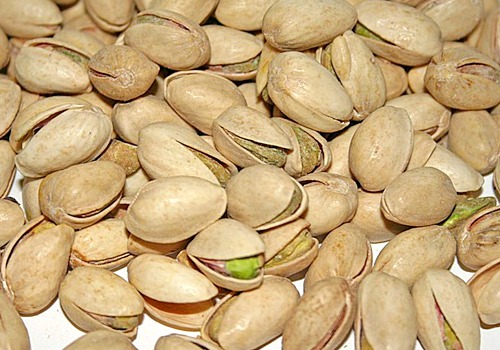
Pistachio nuts have a fun green color, rich texture and slightly sweet flavor. Pistachios nuts are traditionally used in middle eastern dishes, including desserts and pilafs. In western cultures, pistachios are often roasted, salted and consumed as a snack food.

Like most nuts, pistachios are packed with nutrition, but also high in calories. Therefore, pistachios are a healthy food in moderation.

Pistachios are a good source of fiber, protein and vitamins E and B6. One ounce of pistachios (about 40 nuts) contains approximately 100 calories.

Try these pistachio recipes:
Pistachio Pesto
Date & Pistachio Balls
Turkish Pilaf with Pistachios and Chickpeas
Yogurt Parfait with Cherries & Pistachios

Filed Under: 100 Best Foods, nuts & seeds, vitamin B6, vitamin E

Flaxseed

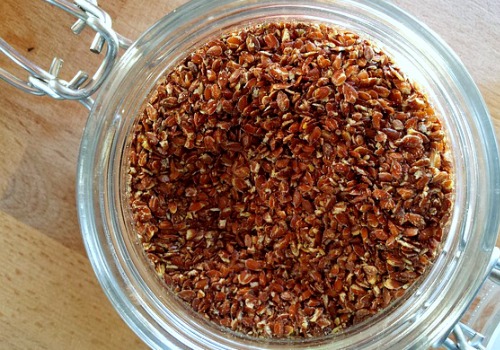
flaxseedFlaxseed, also known as linseed, is a small, hard seed that is typically brown in color. When consumed whole, flaxseeds are primarily a source of indigestible fiber. In order to reap the nutritional benefits, flaxseeds must be ground so that they can be digested. A small coffee grinder can be used to grind flaxseed.
Ground flaxseeds are an excellent additional to baked goods and also become a nutritious topping for yogurt, oatmeal, cereal, waffles, salads and vegetables.

Flaxseed oil is nutritious, but highly perishable and suitable only for non-cooking uses such as salad dressing. Both flaxseed oil and ground flaxseeds should be refrigerated to maintain freshness.

Flaxseed is a good source of omega-3 and omega-6 fatty acids, potassium, magnesium, calcium, phosphorus, irons and vitamins B3 and E. One tablespoon of whole flaxseed contains approximately 55 calories.

Try these flaxseed recipes:
Strawberry Banana and Flax Smoothie
Flaxen Hummus
Apple Crisp
Flaxseed Muffins
Flaxseed Granola

Filed Under: 100 Best Foods, calcium, magnesium, nuts & seeds, phosphorus, potassium, vitamin B3, vitamin E

Cabbage

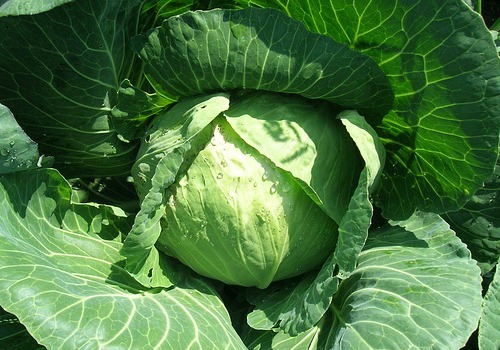
cabbageNot only is cabbage a nutrition powerhouse, it’s also inexpensive, stores well and is delicious raw, cooked and pickled.

Cabbage comes in a variety of colors (white, green and purple) and texture ranges from smooth to curly. Cabbage makes an excellent addition to soups and is perfect for summer salads since its sturdy texture holds up to heat and dressings much better than lettuce.

Cabbage is a good source of calcium, magnesium, potassium, phosphorous, beta-carotene, folic acid, iodine and vitamins C, E and K. One cup of shredded raw cabbage contains approximately 20 calories.

Try these cabbage recipes:
Citrusy Cabbage Slaw
Ginger & Dill Coleslaw
Spicy Stir-Fried Cabbage
Roasted Cabbage Wedges
Vegetarian Cabbage Rolls
Crunchy Asian Ramen Salad

Filed Under: 100 Best Foods, beta carotene, calcium, folic acid, iodine, magnesium, phosphorus, potassium, vegetable, vitamin C, vitamin E, vitamin K

  • 1
  • 2
  • Next Page »

Copyright 2015 - 2017 100 Best Foods - All Rights Reserved - Jamie Jarvis