100 Best Foods

The best foods for the best you!

Sprouts

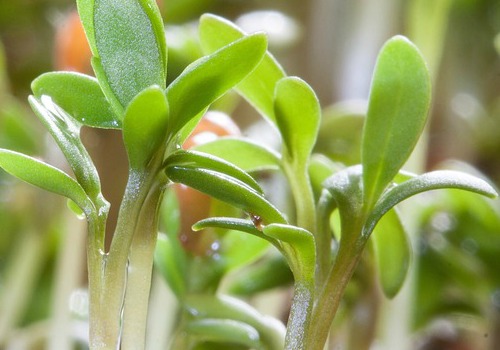
sproutSprouts are beans, seeds or nuts that have been allowed to germinate until a green shoot emerges. Alfalfa and mung bean sprouts are readily available, but other edible sprouts include clover, radish, broccoli and sunflower seed.

Although sprouts are small, they contain a concentrated amount of vitamins and minerals, including calcium and vitamins C and K. Sprouts are very low calorie with a full cup of alfalfa sprouts containing less than 10 calories.

Most sprouts are best eaten raw and add freshness and texture to sandwiches and salads. However, mung bean sprouts are often cooked lightly in Asian-style dishes, including stir-frys, noodle dishes and soups.

Try these sprouts recipes:
Carrot and Sunflower Sprout Salad
Alfalfa Sprouts Salad
Stir Fried Bean Sprouts
Avocado and Sprouts Club Sandwich
Stir Fried Noodles and Bean Sprouts
Filed Under: 100 Best Foods, calcium, vitamin C, vitamin K

Blackberries

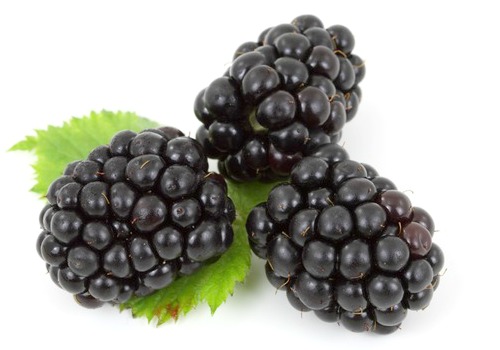
blackberryBlackberries are a flavorful, warm season berry. Ripe berries are fragile and perishable and should be enjoyed soon after purchase. Blackberries can be frozen or preserved as jam for out-of-season enjoyment.
Blackberries are usually eaten raw or cooked in a desert. Fresh or frozen blackberries make a delicious addition to yogurt and a colorful and nutritious topping for pancakes or waffles.

Blackberries are a good source of fiber, vitamins C and K. One cup of raw blackberries contains approximately 60 calories.

Try these blackberry recipes:
Blackberry, Nectarine & Yogurt Parfait
Blackberry Cantaloupe Salad
Spinach Blackberry Salad
Blackberry Sorbet
Easy Blackberry Cobbler

Filed Under: 100 Best Foods, fruit, vitamin C, vitamin K

Strawberries

strawberry
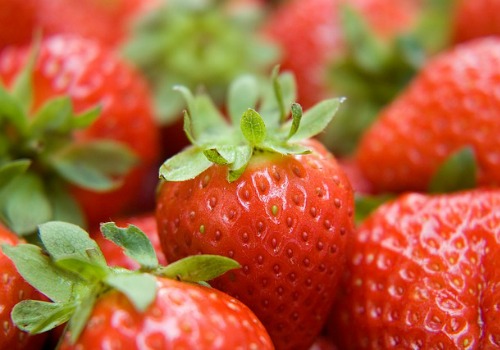
Strawberries are flavorful, affordable and readily available during warm weather months. While frozen strawberries and preserved jams make it possible to enjoy strawberry flavor year round.

Strawberries are a low-calorie way to satisfy a sweet tooth and make great additions to yogurt, smoothies, cereal and even salads.

Strawberries are a good source of beta-carotene, manganese, folic acid, potassium and vitamins C and K. One cup of sliced strawberries contains approximately 50 calories.

Try these strawberry recipes:
Sensational Strawberry Sorbet
Chocolate Covered Strawberries
Strawberry Apricot Crumble
Strawberry Pistachio Tart
Strawberry Spinach Salad
Strawberry Aqua Fresca
Berry Lime Popsicles

Filed Under: 100 Best Foods, beta carotene, folic acid, fruit, manganese, potassium, vitamin C, vitamin K

Asparagus

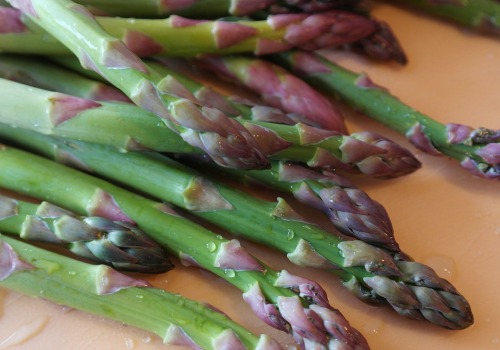
asparagusAn abundance of fresh asparagus at local markets signals the arrival of spring! Asparagus is high in nutrients and fiber, but low in calories.
One cup (180g) of cooked asparagus contains only 40 calories and zero fat. Asparagus is a good source of fiber, potassium, folic acid, beta-carotene, vitamin C and vitamin K.

Wrap asparagus ends in a damp paper towel and store in refrigerator to maintain crispness. Consume fresh asparagus within 2 days of purchase for best quality. To prepare asparagus snap off and discard the hard dry end of each stalk. Lightly steam or stir fry in broth or oil until stalks turn bright green and are slightly tender. Don’t overcook. Asparagus is especially satisfying when grilled or roasted with some combination of oil, lemon, garlic and herbs.

Try these asparagus recipes:
Roasted Garlic Asparagus
Asparagus & Lemon Risotto
Spring Asparagus Pizza
Asparagus Cashew Stir Fry
Asparagus Frittata
More Asparagus Recipes

Filed Under: 100 Best Foods, beta carotene, folic acid, kidney, liver, potassium, vegetable, vitamin C, vitamin K

Cabbage

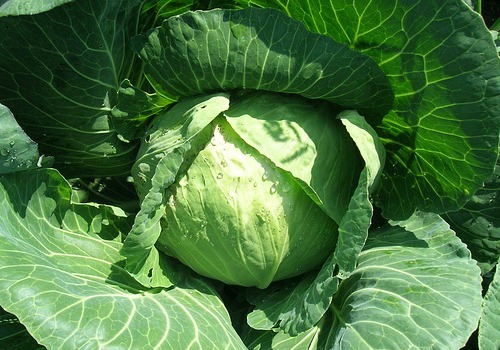
cabbageNot only is cabbage a nutrition powerhouse, it’s also inexpensive, stores well and is delicious raw, cooked and pickled.

Cabbage comes in a variety of colors (white, green and purple) and texture ranges from smooth to curly. Cabbage makes an excellent addition to soups and is perfect for summer salads since its sturdy texture holds up to heat and dressings much better than lettuce.

Cabbage is a good source of calcium, magnesium, potassium, phosphorous, beta-carotene, folic acid, iodine and vitamins C, E and K. One cup of shredded raw cabbage contains approximately 20 calories.

Try these cabbage recipes:
Citrusy Cabbage Slaw
Ginger & Dill Coleslaw
Spicy Stir-Fried Cabbage
Roasted Cabbage Wedges
Vegetarian Cabbage Rolls
Crunchy Asian Ramen Salad

Filed Under: 100 Best Foods, beta carotene, calcium, folic acid, iodine, magnesium, phosphorus, potassium, vegetable, vitamin C, vitamin E, vitamin K

  • 1
  • 2
  • Next Page »

Copyright 2015 - 2017 100 Best Foods - All Rights Reserved - Jamie Jarvis