100 Best Foods

The best foods for the best you!

Barley

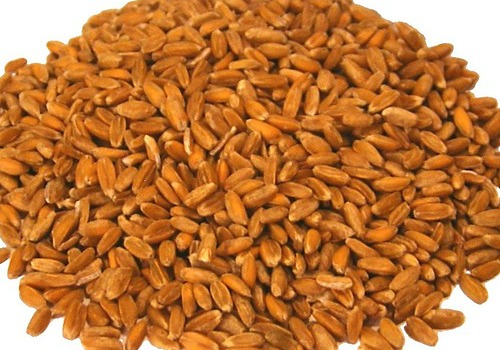
barleyBarley is an ancient grain that makes an excellent base for hearty side dishes, soups and salads.

One cup of cooked barley contains approximately 200 calories. Barley is a good source of fiber, potassium, magnesium, phosphorus, calcium, zinc, manganese, folic acid and vitamins B1, B2, B3 and B6.

Hulled barley, also known as barley grouts, is the whole grain form with only the tough outer hull removed. Pearled barley is less nutritious since the bran has also been removed. Think of this as similar to brown and white rice, with barley grouts being similar to brown rice and pearled barley being similar to white rice.

Try these barley recipes:
Mushroom Barley
Tomato and Barley Vegetable Soup
Mushroom Barley Soup
Barley Greek Salad
Moroccan Chickpea Barley Salad
Filed Under: 100 Best Foods, calcium, folic acid, grains, magnesium, manganese, phosphorus, potassium, vitamin B1, vitamin B2, vitamin B3, vitamin B6, zinc

Apple

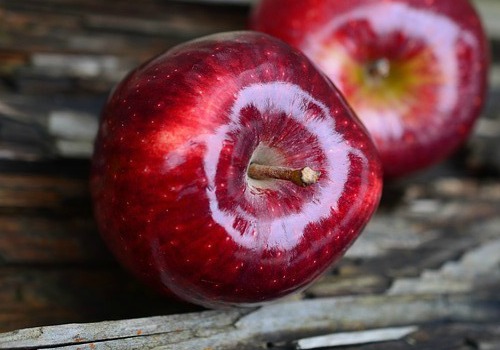
apple Most grocery markets carry several types of apples year round, including red, green and sometimes yellow varieties. Some apple varieties are preferred for cooking, while others are perfect for eating raw. If you have access to freshly-picked apples from an orchard or farmer’s market, you’ll find the taste and texture to be quite different than grocery store apples.
A medium-size apple contains approximately 100 calories. Apples are a good source of fiber, calcium, magnesium, phosphorus, beta-carotene, pectin and vitamin C.

Apples are a healthy and refreshing snack and are an easy addition to both fruit and green salads and oatmeal and other grains.

Try these Apple recipes:
Classic Applesauce
Baked Apples & Cinnamon
Apple Delight Smoothie
Quinoa & Apple Salad with Curry Dressing
Apple Walnut Salad
Apple Cinnamon Pancakes

Filed Under: 100 Best Foods, beta carotene, calcium, fruit, magnesium, phosphorus, vitamin C

Cabbage

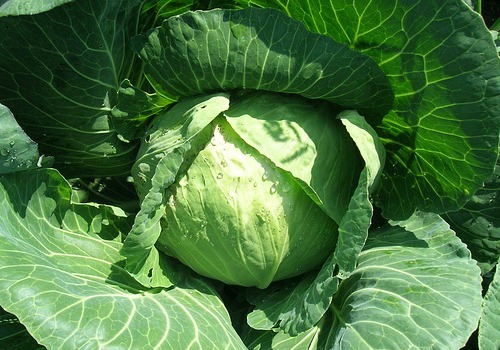
cabbageNot only is cabbage a nutrition powerhouse, it’s also inexpensive, stores well and is delicious raw, cooked and pickled.
Cabbage comes in a variety of colors (white, green and purple) and texture ranges from smooth to curly. Cabbage makes an excellent addition to soups and is perfect for summer salads since its sturdy texture holds up to heat and dressings much better than lettuce.

Cabbage is a good source of calcium, magnesium, potassium, phosphorous, beta-carotene, folic acid, iodine and vitamins C, E and K. One cup of shredded raw cabbage contains approximately 20 calories.

Try these cabbage recipes:
Citrusy Cabbage Slaw
Ginger & Dill Coleslaw
Spicy Stir-Fried Cabbage
Roasted Cabbage Wedges
Vegetarian Cabbage Rolls
Crunchy Asian Ramen Salad

Filed Under: 100 Best Foods, beta carotene, calcium, folic acid, iodine, magnesium, phosphorus, potassium, vegetable, vitamin C, vitamin E, vitamin K

Broccoli

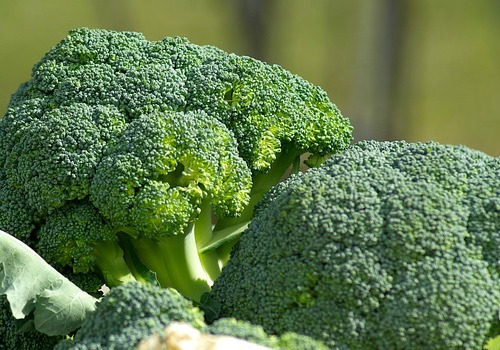
broccoliBroccoli is a versatile, readily available and long lasting enough to still be in good shape towards the end of your grocery week.
Broccoli is low calorie and packed with nutrition, but unfortunately broccoli is often smothered in cheese and cream, resulting in a high fat, high calorie dish. Better ways to enjoy broccoli, include raw in salads, steamed with herbs and lemon, or stir fried in broth or a small amount of oil. Broccoli can even be grilled or used to top pizzas.

Broccoli is a good source of calcium, chromium, magnesium, phosphorus, beta-carotene, folic acid and vitamins B3, B5 and C. One cup of chopped raw broccoli contains approximately 35 calories.

Try this broccoli recipes:
Broccoli Slaw with Cranberry Orange Dressing
Roasted Broccoli and Walnuts
Curried Broccoli Couscous
Lemony Braised Broccoli
Tofu and Broccoli Stir Fry

Filed Under: 100 Best Foods, beta carotene, calcium, chromium, folic acid, magnesium, phosphorus, vitamin B3, vitamin B5, vitamin C

Almonds

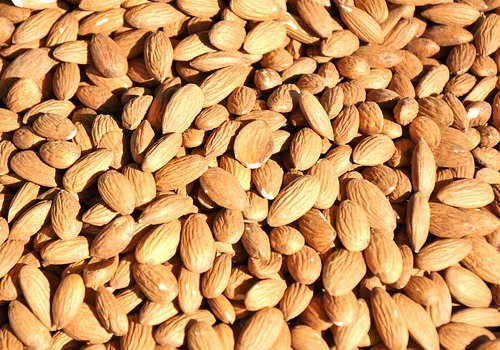
almonds

Like most nuts almonds are packed with nutrients, but also relatively high in fat and calories.

For those who are trying to maintain or lose weight, it’s best to consume almonds in moderation as a portion-controlled snack or as a garnish for salads, grains or cooked vegetables. For those who are trying to gain weight or need extra protein, almonds and other nuts are an excellent option.

Almonds are a good source of protein, calcium, magnesium, phosphorus, potassium, zinc, iron, folic acid and vitamins B2, B3 and E. One ounce of almonds (approximately 23 nuts) contains 163 calories.

Once only found in health food stores, both almond butter and almond milk are now readily available and make healthy and interesting substitutes for peanut butter and dairy milk.

Try these almond recipes:
Asian Noodle Bowl with Spicy Almond Sauce
Wild Rice Risotto with Almonds and Spring Vegetables
Almond Citrus Salad
Quick Cinnamon Almond Rice Pudding
Almond Honey Power Bars
Banana Almond Smoothie

Filed Under: 100 Best Foods, calcium, folic acid, iron, magnesium, nuts & seeds, phosphorus, potassium, vitamin B2, vitamin B3, vitamin E, zinc

  • « Previous Page
  • 1
  • 2
  • 3
  • 4
  • Next Page »

Copyright 2015 - 2017 100 Best Foods - All Rights Reserved - Jamie Jarvis